
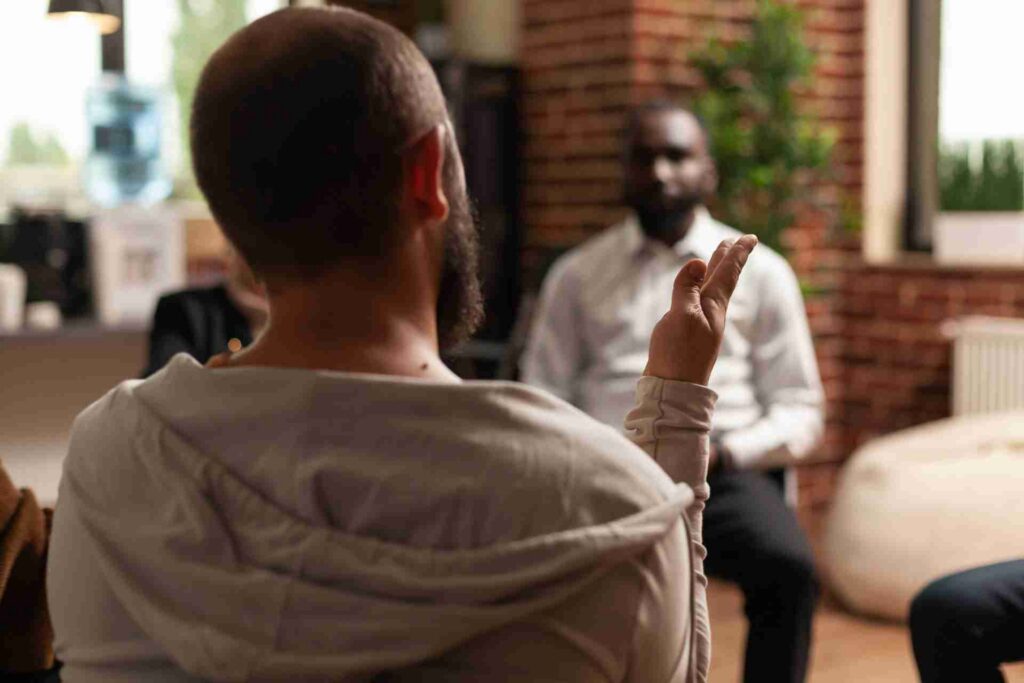
If you’re thinking about treatment, one of the biggest questions is simple: what actually happens in drug rehab each day?
The truth is that rehab is not about punishment or strict rules. It’s about structure, support, and learning new skills so you can feel stable again.
Through outpatient addiction and mental health programs in Florida, people can receive therapy, guidance, and routine while still living at home and staying connected to work or family responsibilities.
Understanding what daily life looks like in rehab can make starting treatment feel less overwhelming.
What Happens When You First Start Drug Rehab?
The first step in any addiction treatment program is usually an assessment. This helps the treatment team understand your needs and build a personalized plan.
During intake, you may:
- Talk about substance use history
- Discuss mental health symptoms
- Review medical needs or medications
- Set recovery goals
- Learn what your schedule will look like
This process is supportive, not judgmental. The goal is to create a plan that fits your life.
A Typical Day in a Partial Hospitalization Program (PHP)
A Partial Hospitalization Program (PHP) is the most structured outpatient level of care. It often runs several hours per day, multiple days per week.
A typical PHP day may include:
- Morning check-in: You talk about mood, stress levels, and goals for the day.
- Group therapy sessions: These sessions focus on coping skills, relapse prevention, emotional regulation, and communication.
- Individual therapy: One-on-one time with a therapist helps you explore personal challenges and triggers.
- Educational or skill-building groups: You may learn stress management, mindfulness, or healthy lifestyle habits.
- Breaks and reflection time: Short breaks help you process what you’re learning.
PHP offers strong structure while still allowing you to return home at night.
A Typical Day in an Intensive Outpatient Program (IOP)
An Intensive Outpatient Program (IOP) is slightly less time-intensive than PHP but still provides strong support.
A typical IOP day might include:
- Group therapy sessions several times per week
- Skill-building exercises
- Discussions about triggers and cravings
- Peer support and accountability
- Goal-setting for the week
Many people attend IOP in the morning or evening so they can continue working or going to school.
What Happens in Standard Outpatient Programs (OP)?
Outpatient programs (OP) are the most flexible level of care for drug rehab programs.
A typical outpatient schedule may include:
- Weekly therapy sessions
- Medication management appointments
- Check-ins on recovery progress
- Continued skill development
This level often works well after completing PHP or IOP, or for people with milder symptoms.
Types of Therapy You May Find in a Drug Rehab Program
Drug rehab involves more than just talking about substance use. Treatment focuses on the whole person.
Common therapy approaches include:
- Individual therapy: Understanding personal triggers and patterns
- Group therapy: Learning from others and building connection
- Family therapy: Repairing relationships and improving communication
- Cognitive behavioral therapy (CBT): Changing harmful thinking patterns
- Relapse prevention training: Building tools to stay sober
Research shows that treatment works best when it addresses mental health, behavior, and lifestyle factors together.
Learning Skills for Real Life Use
One major part of rehab is learning practical skills to help you in your recovery.
These may include:
- Stress management techniques
- Healthy routines and sleep habits
- Emotional regulation tools
- Communication skills
- Coping strategies for cravings
- Problem-solving and decision-making
These tools help you manage daily life without turning to substances.
Mental Health Support During Rehab

Many people in addiction treatment also struggle with mental health conditions like anxiety, depression, or trauma.
Treatment often includes:
- Mental health therapy
- Medication management if needed
- Coping strategies for emotional symptoms
- Support for co-occurring conditions
Treating both addiction and mental health together improves recovery outcomes and stability.
How Rehab Fits Into Daily Life
One of the biggest concerns people have is whether addiction treatment will disrupt their life. Outpatient rehab is designed to support real life, not replace it.
Many people continue:
- Working
- Attending school
- Caring for family
- Living at home
This balance helps you practice new skills in real-world situations.
What Happens After Each Treatment Day?
After treatment sessions end, you go home and continue daily activities.
You might:
- Practice coping skills learned in therapy
- Complete recovery homework or reflections
- Attend support group meetings
- Spend time with family
- Focus on healthy routines
Recovery happens both inside and outside treatment hours.
How Long Do You Stay in Drug Rehab Each Day?
Program length depends on the level of care:
- PHP: Often 4–6 hours per day
- IOP: Usually 2–4 hours per session
- OP: About 1–2 hours weekly
Schedules vary based on your individual needs and treatment plan.
What Does Progress in Rehab Look Like?
Recovery is not about perfection. It is about progress.
You may notice:
- Improved mood and sleep
- Better coping skills
- Reduced cravings over time
- Stronger relationships
- Increased confidence
Consistent structure and routine help support these changes. Structured schedules are known to reduce your anxiety and improve your focus during recovery.
Get Help Starting Addiction Treatment
Many people delay treatment because they feel unsure about what to expect. Once they begin, they often realize rehab is supportive, structured, and focused on helping them succeed.
At Reprieve Recovery, programs are designed to meet people where they are, providing flexible outpatient care for both substance use and mental health needs.
Whether you need more structure or ongoing support, treatment can help you build stability and confidence again.
Reaching out for help may feel like a big step, but it can also be the start of meaningful change. Call us today to start your recovery journey.
Sources:
- Drugs, Brains, and Behavior: The Science of Addiction: Treatment and Recovery — National Institute on Drug Abuse (NIDA)
- Treatment of Substance Use Disorders — Centers for Disease Control (CDC)